
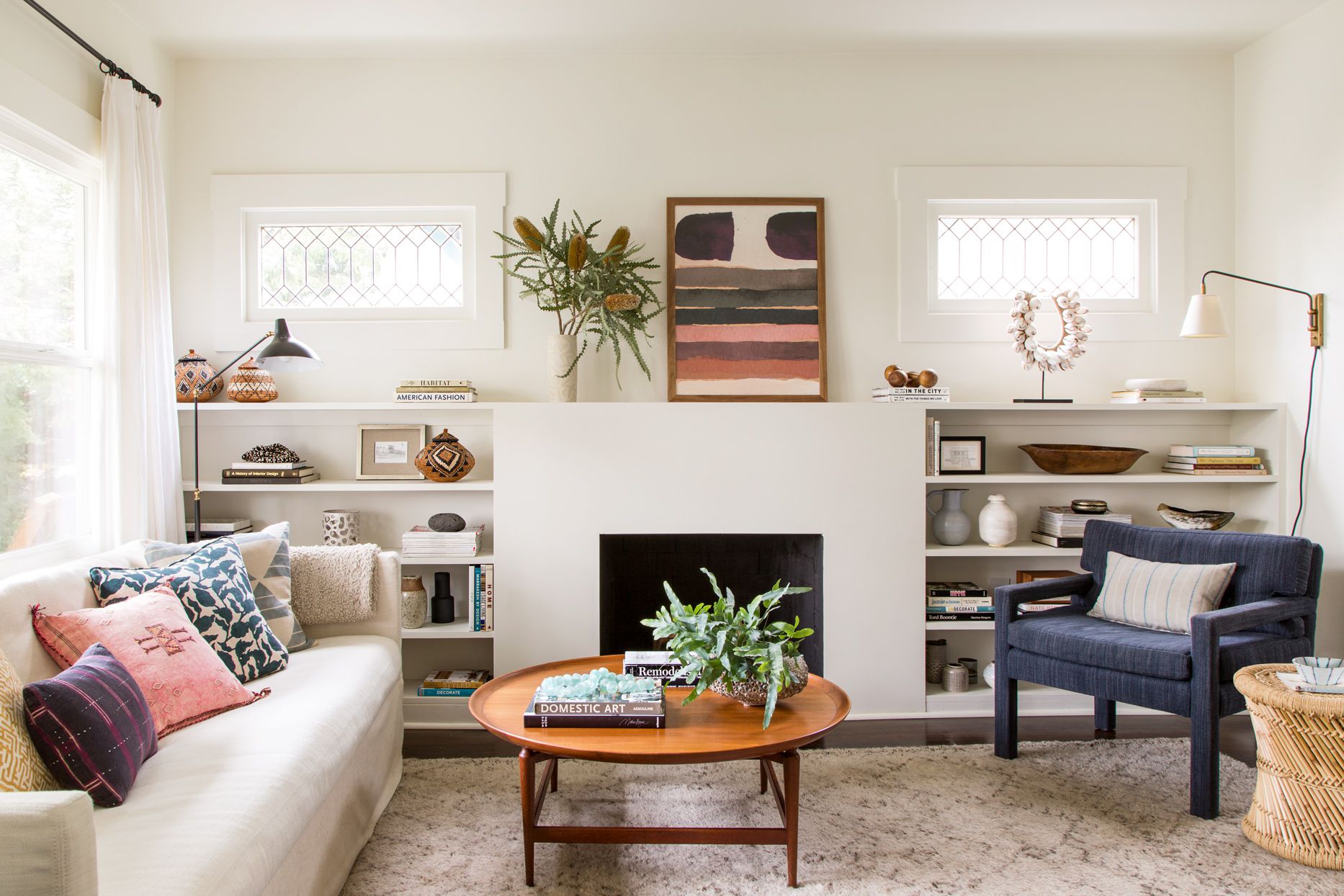
Creating a space that is both visually stunning and functional is an art. Whether you’re designing a cozy apartment or a sprawling home, home décor plays an essential role in expressing your personality, enhancing the atmosphere, and creating a sense of harmony. While the latest trends can offer inspiration, achieving a space that feels truly yours requires thoughtful attention to detail and a blend of style with practicality. Here are some refined décor tips to help you craft an environment that radiates comfort, elegance, and individuality.
1. Start with a Clear Vision
The foundation of any successful décor project begins with a clear vision. Before you dive into choosing colors, furniture, or accessories, take time to define the mood and atmosphere you want to create. Is your goal to foster a sense of tranquility with soft, neutral tones, or do you envision a vibrant and energetic space with bold, contrasting colors? Understanding the purpose of each room will guide your choices and ensure your décor serves both practical and aesthetic functions.
One technique that proves invaluable is creating a mood board. This could be a digital collection of images from Pinterest, magazine clippings, or even physical samples like fabric swatches and paint chips. Visualizing your style helps you avoid overwhelm and stay focused on your desired outcome.
2. Embrace a Balanced Color Palette
Color is one of the most powerful tools in a designer’s arsenal. It can influence mood, make spaces feel larger or cozier, and set the tone for the entire room. A well-thought-out color palette will not only unify a room but also highlight its best features.
For a refined, timeless look, consider using neutral tones like whites, creams, and soft grays as your base. These shades create a serene backdrop that allows other elements of the room to shine. Accent colors, whether through textiles, artwork, or decor, can then introduce layers of contrast or vibrancy. Rich tones like navy blue, emerald green, or mustard yellow pair beautifully with neutrals, adding sophistication without overwhelming the space.
For smaller rooms, consider lighter shades or a monochromatic palette to make the area feel more expansive. Conversely, larger rooms can benefit from darker colors or a mix of complementary tones to create intimacy and warmth.
3. Layer Textures for Depth and Warmth
Texture is an often overlooked but crucial element of décor. A room full of flat, unvaried surfaces can feel sterile, while a space with multiple textures feels alive and inviting. To achieve this, mix materials like wood, metal, fabric, and glass to create depth and interest.
Consider adding tactile contrast with plush velvet cushions, linen curtains, a shaggy rug, or a woven throw. Leather furniture paired with soft, tactile fabrics adds sophistication, while natural wood pieces warm up more contemporary settings. Don’t be afraid to experiment with different finishes—matte, glossy, and textured surfaces all have their place when thoughtfully combined.
Remember that balance is key; you don’t want to overwhelm the senses with too many competing textures. Instead, focus on creating a layered, tactile experience that feels balanced and cohesive. A carefully placed silk pillow on a linen sofa or a metal lamp on a wood table can have a dramatic effect.
4. Invest in Timeless Furniture Pieces
When it comes to furniture, it’s often wise to invest in pieces that will stand the test of time. High-quality, well-crafted furniture can transform the entire feel of a room and act as the foundation for your décor. Think of a classic leather armchair or an elegant wooden dining table—items that combine style with durability.
However, this doesn’t mean you need to limit yourself to traditional pieces. Modern designs, with their clean lines and minimalist forms, can also stand the test of time when chosen wisely. When selecting furniture, consider its functionality, longevity, and aesthetic appeal. Invest in the pieces that you use most often—like a sofa, bed, or dining table—and look for those that are well-made, comfortable, and versatile.
If you’re on a budget, focus on fewer but higher-quality items. Accent pieces, such as a statement chair or a unique side table, can elevate a space without costing a fortune.
5. Personalize Your Space with Art and Accessories
One of the best ways to make a room feel uniquely yours is by adding personal touches. Artwork, heirlooms, and travel souvenirs inject personality and history into your home. Whether it’s a family portrait, an abstract painting, or a collection of vintage books, these elements bring a sense of life and story to your space.
When choosing art, avoid overloading the walls with too many pieces. Instead, curate your collection, mixing framed photos, paintings, or sculptures that speak to your taste. Large-scale pieces can create focal points, while smaller works are great for creating gallery walls or as an elegant accompaniment to furniture arrangements.
Accessories also play an important role in shaping a room’s atmosphere. Consider adding a few decorative objects—such as vases, trays, or mirrors—that tie into your room’s theme and color palette. A well-chosen piece of jewelry for your living room, like a brass sculpture or a vintage clock, can subtly elevate the space.
6. Focus on Lighting
Lighting is often considered the unsung hero of interior design. A well-lit room can bring out the best in your décor and contribute to the mood you’re trying to create. Different types of lighting—ambient, task, and accent—serve distinct purposes, and using them effectively can transform a space.
Ambient lighting serves as the primary source of illumination and typically comes from ceiling lights, chandeliers, or wall sconces. This is the general light that fills the room. Task lighting, like reading lamps or under-cabinet lighting in the kitchen, helps with specific activities, while accent lighting can highlight artwork or architectural features, adding drama and depth.
When layering light, consider dimmable options to allow for versatility, from bright daytime settings to soft evening relaxation. Chandeliers and pendant lights can add style, while floor lamps and table lamps provide the perfect balance of function and elegance.
7. Don’t Forget the Outdoors
Incorporating the outdoors into your décor is a trend that continues to grow. Whether it’s through indoor plants, outdoor furniture, or large windows that let natural light flood in, connecting your home to nature enhances both your living space and your well-being.
Indoor plants bring a sense of freshness and life to any room, and there are varieties to suit every type of home and lifestyle. From the low-maintenance snake plant to the cascading vines of a pothos, plants purify the air and soften harsh lines in a room. Choose planters that complement your aesthetic, whether sleek ceramic pots or rustic wooden crates.
Patios, balconies, or even window sills can also be transformed into delightful outdoor retreats. A set of weather-resistant furniture, cushions, and a few candles can make even a small balcony feel like an inviting oasis.
Conclusion: Creating a Harmonious Home
In conclusion, successful décor is a balancing act of style, function, and personality. By carefully selecting furniture, colors, textures, and accessories, you can craft a space that not only reflects your taste but also serves your everyday needs. Invest in quality, be thoughtful about your choices, and, most importantly, let your home tell a story that is uniquely yours. With these tips in mind, you can elevate any room from ordinary to extraordinary, turning it into a place where beauty, comfort, and functionality coexist seamlessly.
