
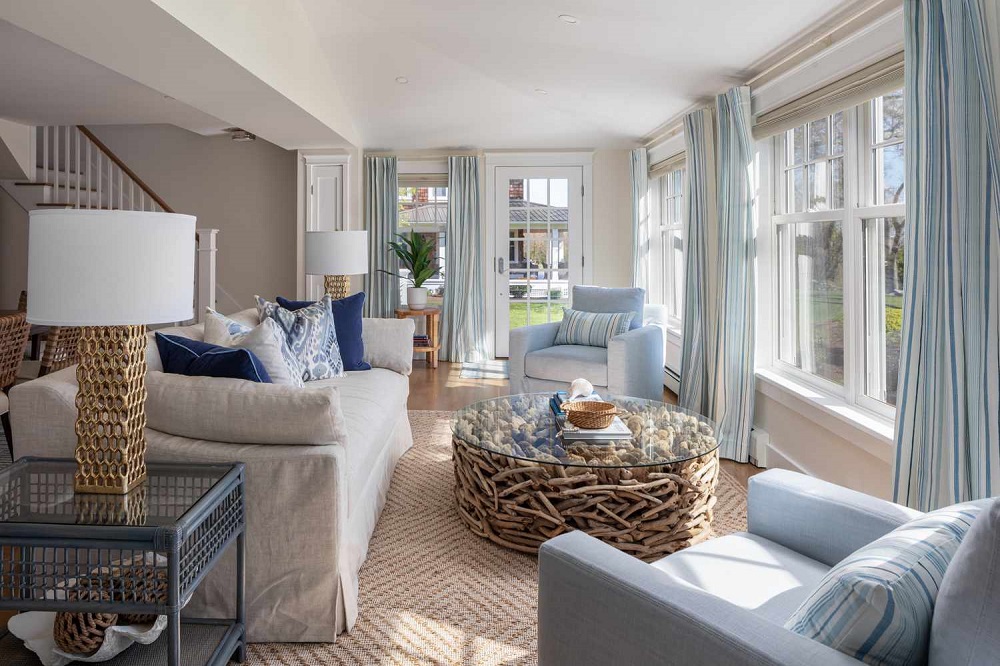
Natural light possesses a unique capacity to transform the interior of a home. Beyond reducing utility costs by decreasing the reliance on artificial lighting, a well-lit environment significantly enhances human well-being, increases daily productivity, and visually expands the boundaries of a living space. Dark, shadowy rooms often feel cramped and uninviting, whereas spaces flooded with sunshine feel energetic, clean, and expansive.
Architectural modifications, such as installing larger windows or adding structural skylights, are effective but require substantial financial investments and invasive construction. Fortunately, strategic interior design and thoughtful decor choices offer powerful, non-invasive alternatives. By understanding how light behaves when it interacts with different surfaces, textures, colors, and layouts, homeowners can successfully amplify the ambient daylight available in any room.
Strategic Mirror Placement and Reflective Art
Mirrors are arguably the most potent tools in a designer’s arsenal for multiplying indoor illumination. The fundamental principle is simple: light rays travel in straight lines until they strike a surface that absorbs or bounces them back. A highly polished glass mirror absorbs virtually zero light, reflecting almost the entire spectrum back into the surrounding environment.
To optimize this effect, placement must be precise. Hanging a large accent mirror directly opposite your primary window creates a direct pathway for natural sunshine to enter, strike the reflective glass, and bounce deep into previously dark corners. This arrangement effectively simulates the presence of a second window, creating an illusion of architectural symmetry.
If a direct opposite placement is impossible due to the room layout, placing a mirror on an adjacent wall still provides significant benefits. Beyond traditional wall-mounted mirrors, incorporating other reflective elements helps distribute light fluidly throughout a room:
-
-
Mirrored Furniture Panels: Nightstands, sideboards, or coffee tables featuring mirrored facings bounce low-level floor light back into the seating area.
-
Metallic Framed Art: Choosing gold, silver, or chrome frames for artwork adds subtle points of brilliant reflection along perimeter walls.
-
High-Gloss Sculptures: Ceramic or metallic decorative pieces with polished glazes catch shifting rays throughout the day, creating small bursts of movement and illumination.
-
Perfecting the Color Palette and Paint Finishes
The hues applied to walls, ceilings, and large architectural surfaces dictate how much light remains active in a room versus how much is immediately absorbed. Light Reflectance Value, or LRV, is a scale used by design professionals to measure the percentage of light a paint color reflects. Pure white sits at the top of the scale, while absolute black rests at the bottom.
To maximize natural illumination, selecting high-LRV colors for the primary surfaces is essential. Soft whites, delicate creams, pale grays, and faint pastel undertones keep light active, allowing it to bounce from wall to wall. Dark, saturated colors like navy blue, charcoal, or deep forest green absorb light energy, transforming it into heat rather than visual illumination.
However, the color choice is only half of the equation; the specific paint finish plays an equally vital role. Flat or matte paints diffuse light in all directions, softening the overall look but doing little to actively amplify brightness. Satin, eggshell, and semi-gloss finishes provide a smooth, slightly crystalline surface that allows light rays to skim across the walls, extending the reach of afternoon sunshine deep into long hallways or deep floor plans.
For ceilings, applying a bright white paint with a slightly higher sheen than the walls is a highly effective design technique. Since natural light typically enters horizontally and reflects upward, a highly reflective ceiling prevents the upper third of a room from falling into permanent shadow, which visually lifts the entire space.
Streamlining Window Treatments for Maximum Inflow
Heavy, dark drapes made of dense fabrics like velvet or thick brocade act as literal barriers to natural light, even when pulled open. The fabric bunching at the sides of the window casing can permanently block significant portions of the glass, reducing the potential inflow of daylight.
Transitioning to lightweight, breathable window coverings drastically improves illumination while maintaining a sophisticated design aesthetic. Sheer linen or delicate cotton panels allow soft, diffused sunlight to filter through completely, even when the curtains are fully drawn for basic privacy. This prevents harsh glares and hot spots, creating a beautifully balanced, glow-like atmosphere throughout the day.
For spaces where total light blockage is required at night, such as bedrooms, a layered window strategy provides the ultimate flexibility. Installing a dual-track curtain rod allows you to hang sheer panels closest to the glass for daytime use, paired with heavier blackout drapes on the outer track. During the morning and afternoon, the heavy drapes can be pulled completely clear of the window frame, allowing the sheers to maximize incoming light.
Selecting Low-Profile and Translucent Furniture
The physical layout and structural density of furniture heavily influence how light moves across a room. Large, bulky, dark wood furniture pieces act as internal dams, stopping light in its tracks and casting long, dark shadows across the floor.
To counter this effect, contemporary spaces benefit from low-profile furniture designs. Sofas and chairs that sit low to the ground and feature exposed legs allow light to pass underneath freely, maintaining a continuous floor plane of illumination. This creates a sense of weightlessness and openness.
Material selection for furniture items also plays a major role. Integrating translucent or highly reflective materials prevents the visual blockage associated with solid wood or heavy upholstery. Consider incorporating these elements into the floor plan:
-
Acrylic and Glass Tables: Coffee tables, side tables, or console tables made of clear acrylic, lucite, or tempered glass allow light to pass straight through, eliminating dark floor shadows.
-
Open-Back Shelving: Utilizing open shelving units instead of solid, enclosed bookcases lets light filter through the display items, illuminating the wall behind the structure.
-
Pied-a-Terre Seating: Chairs featuring woven cane, open slats, or delicate metal wire frames provide structural support without acting as solid visual blocks.
Flooring Choices and Rug Integration
Just like walls, the floors of a home represent a massive surface area that either works to amplify light or absorb it entirely. Dark espresso hardwood, deep gray slate, or dark carpeting can make even a well-windowed room feel dim and enclosed.
If replacing solid flooring is not a viable option, large area rugs offer a quick, highly effective remedy. Introducing a light-colored rug in shades of ivory, soft beige, or light silver over a dark floor instantly brightens the center of a room. Opt for rugs with a subtle sheen, such as those blending viscose, silk, or high-quality polished wool, as these fibers catch overhead natural light and add a gentle luminescence to the walking surface.
For those who are building or remodeling, opting for light wood species like white oak, ash, or maple with a clear, matte poly finish provides an excellent foundational canvas. These materials reflect natural sunlight upward into the seating zone, contributing significantly to a bright, airy, and cohesive interior atmosphere.
Frequently Asked Questions
How can I bring natural light into a room that has absolutely no windows?
While you cannot create authentic natural light out of nothing without construction, you can effectively simulate it using decor. Install a faux window frame fitted with frosted glass and back-light it with daylight-spectrum LED panels. Additionally, use high-gloss surfaces, light paint colors, and a large mirror to catch and distribute any ambient light that spills into the room from adjacent hallways.
What is the best way to utilize natural light without creating an uncomfortable heat buildup?
To maximize brightness without turning your home into a greenhouse, install low-emissivity window films. These transparent films adhere directly to the glass, allowing visible natural light to pass through completely while reflecting away the infrared heat rays and harmful ultraviolet light that fade furniture fabrics.
Does the direction my windows face change the type of decor I should use?
North-facing windows receive cool, consistent, bluish light all day, which can make spaces feel chilly. To counter this, use warm undertones like cream or soft gold in your decor. South-facing windows receive intense, warm sunlight, which pairs beautifully with cooler grays and crisp whites to keep the space feeling fresh and balanced.
How do greenery and indoor plants affect the natural light levels of a room?
Placing a dense jungle of tall plants directly on a windowsill can accidentally block a significant amount of incoming light. To prevent this, position your plants slightly to the side of the window frames or use hanging planters at varying heights. The sunlight will still reach the foliage, but the main path of the window remains clear to illuminate the deep interior.
Are there specific types of artwork that help enhance the brightness of a dark room?
Paintings and prints that feature bright, high-contrast color palettes or white backgrounds work best. Furthermore, displaying art framed behind high-quality, non-glare museum glass or opting for canvas pieces finished with a glossy protective varnish allows the artwork to function like a subtle reflector, bouncing light back into the seating area.
How can I make a long, narrow hallway feel bright using only natural light from the ends?
To pull light down a restrictive hallway, place a large mirror at the very end of the corridor to catch the light entering from the source. Paint the walls and ceiling a high-gloss or satin white, and keep the floor clear of dark runners. Utilizing glass-paneled interior doors for rooms along the hallway also allows borrowed light to spill into the passage.
