
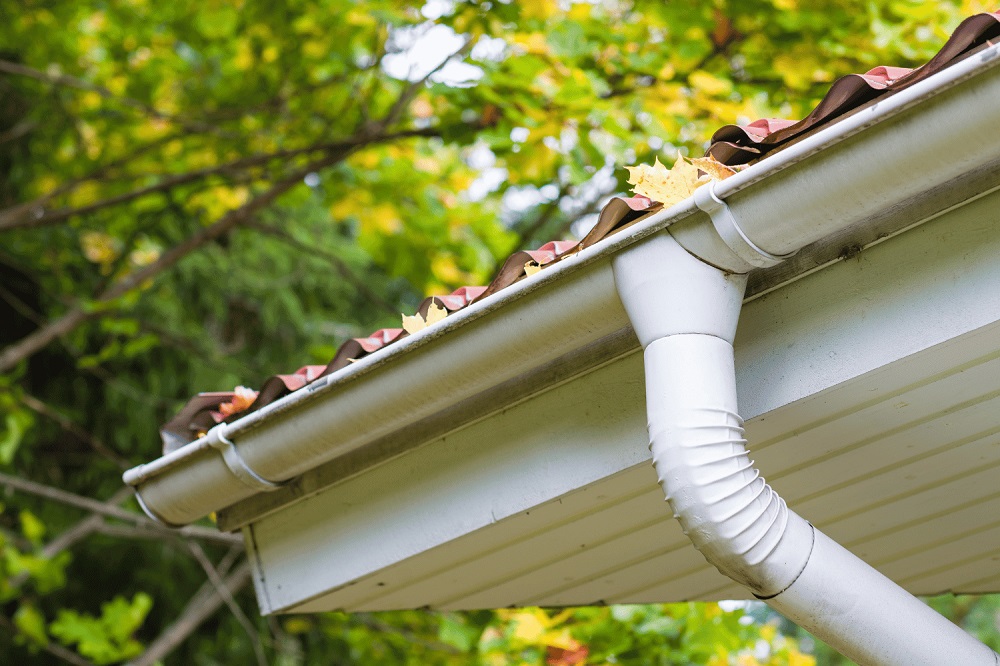
A roof is the most critical line of defense protecting a home from the elements. While homeowners often focus heavily on the aesthetic appeal of different roofing materials, the primary structural goal of any roof is the efficient shedding of water. Water accumulation is the leading cause of premature roof failure, structural wood rot, interior drywall damage, and foundation erosion.
Implementing smart architectural designs, selecting high-performance materials, and integrating advanced drainage accessories can transform a standard roof into a highly resilient weather barrier. This guide details the top roofing concepts, material selections, and management systems engineered to optimize drainage and structural protection.
Optimizing Roof Pitch and Geometry
The architectural shape and slope of a roof dictate how effectively gravity can pull water away from the structure. When planning a replacement or custom build, the geometric configuration forms the foundation of water management.
The Power of High-Slope Designs
Roof slope, commonly referred to as pitch, is measured by the vertical rise over a twelve-inch horizontal run. High-slope configurations provide structural advantages in regions prone to heavy rain or winter snowfall.
-
Steep-Gable Roofs: A classic design where two sloping sides meet at a central ridge. A steep pitch ensures that torrential downpours run off instantly, minimizing the time water interacts with the roofing substrate.
-
Hip Roofs: Featuring slopes on all four sides that come together at the top, hip roofs offer excellent aerodynamics in high-wind zones while distributing water drainage equally around the perimeter of the house, reducing the burden on any single gutter line.
Managing Low-Slope and Flat Systems
Flat roofs are never truly flat; they require a subtle slope of at least one-quarter inch per foot to prevent water from pooling. Water that sits on a roof for more than forty-eight hours is considered ponding water, which accelerates material degradation and increases the risk of structural collapse.
-
Tapered Insulation Systems: For flat roofs, installing rigid foam insulation boards that are manufactured with a built-in slope directs water toward drains rather than leaving it to pool in structural depressions.
-
Cricket Installation: A roof cricket is a small, diamond-shaped saddle structure built behind chimneys, skylights, or mechanical units on low-slope roofs. Crickets act as tiny diversions, splitting the flow of water around the obstacle to prevent pooling.
Selecting Water-Resistant Materials
The outermost layer of the roof must act as a seamless, impermeable shield. Different materials offer varying levels of water shedding and mechanical durability.
Advanced Architectural Shingles
Traditional three-tab asphalt shingles are prone to wind uplift, which allows water to blow underneath the material. Modern architectural shingles, also known as laminated or dimensional shingles, feature multiple layers of fiberglass and asphalt bonded together. They provide superior weight and wind resistance, with many options rated to withstand winds up to one hundred thirty miles per hour, keeping the water-resistant barrier intact during severe storms.
Metal Roofing Systems
Metal roofs are exceptionally efficient at handling high volumes of water. Panels made of steel or aluminum feature a smooth, non-porous surface that allows water and snow to slide off rapidly.
-
Standing-Seam Construction: Unlike corrugated metal panels that are secured with exposed screws, standing-seam systems use concealed fasteners located beneath raised, interlocking seams. By eliminating exposed penetrations through the metal panels, the risk of water leaks over time is virtually non-existent.
Membrane Systems for Low Slopes
For flat or low-pitch roofs, traditional shingles cannot be used because water will easily seep underneath them. These areas require continuous sheet membranes.
-
Thermoplastic Polyolefin (TPO): A single-ply reflective membrane that is hot-air welded at the seams, creating a continuous, rubberized sheet across the entire roof surface that remains completely watertight.
-
Ethylene Propylene Diene Monomer (EPDM): A highly durable synthetic rubber compound that resists ultraviolet radiation and punctures, providing long-term waterproofing for flat residential extensions.
Integrated Water Shedding Accessories
Even the highest quality shingles or metal panels will fail if the transition points and edges of the roof are left unprotected. Utilizing robust accessories ensures that water is managed correctly from the peak to the ground.
High-Performance Underlayment
The underlayment is the secondary barrier installed directly on top of the wooden roof deck before the final shingles or metal panels go down. While traditional organic asphalt felt paper was the standard for decades, modern synthetic underlayment offers superior protection. Synthetic underlayment is made from woven polypropylene or polyethylene, which does not tear easily, does not absorb moisture, and prevents water from reaching the wood deck if the primary shingles are damaged.
Strategic Ice and Water Shield Application
In cold climates, snow melts on the upper portions of a roof and refreezes as it reaches the cold eaves, creating a solid dam of ice. Melting water pools behind this ice dam and backs up under the shingles. Installing a self-adhering, rubberized asphalt membrane along the eaves, valleys, and around roof penetrations creates an absolute waterproof seal that prevents ice dam water from infiltrating the home.
Heavy-Duty Flashings
Flashing consists of thin pieces of metal installed at roof intersections, valleys, and around chimneys or vent pipes. Woven valleys or poorly installed flashing are the source of the vast majority of residential roof leaks. Using thick-gauge aluminum or copper flashing installed in a step pattern ensures that water moving down a roof section is continuously guided back onto the surface of the shingles rather than behind them.
Advanced Perimeter Drainage Design
Once water leaves the surface of the roof, it must be captured and moved away from the foundation of the home. A roof is only as good as the gutter and downspout network supporting it.
Seamless Commercial-Grade Gutters
Sectional gutters purchased at home improvement stores feature joints every few feet that are held together by sealant. Over time, expanding and contracting temperatures destroy the sealant, causing persistent leaks. Investing in custom-extruded seamless aluminum gutters eliminates these failure points. Upgrading from standard five-inch residential gutters to six-inch K-style or half-round gutters increases water carrying capacity by approximately forty percent, preventing overflows during heavy downpours.
Strategic Downspout Placement and Extensions
Downspouts must be sized appropriately to match the total surface area of the roof section they drain. A general rule is to provide one downspout for every forty feet of gutter line. Once the downspouts reach ground level, they should connect to solid PVC extensions that discharge the water at least five to ten feet away from the home foundation, or route the water directly into a subterranean dry well or rain garden to protect the basement from hydrostatic pressure.
Frequently Asked Questions
What is the function of a roof scupper, and when should it be used instead of standard gutters?
A scupper is an opening cut directly through a roof perimeter wall or parapet that allows water to drain off the edge of a low-slope or flat roof. Scuppers are utilized on roofs enclosed by walls where traditional gutters cannot be mounted along the edge. Water flows through the scupper opening and into an exterior catch basin connected to a downspout, providing a high-volume drainage point that is less prone to clogging from small leaves than interior drain strainers.
How does proper roof attic ventilation influence roof drainage and moisture protection?
Proper attic ventilation balances the indoor attic temperature with the outdoor air temperature. In winter, this prevents the roof deck from becoming too warm, which stops the cycle of melting and freezing snow that forms destructive ice dams along the eaves. In the summer, active ventilation removes trapped humidity and heat from the attic space, preventing condensation from forming on the underside of the wooden roof deck, which would otherwise lead to wood rot and mold development.
What is a kick-out flashing, and why is it critical for wall protection?
A kick-out flashing, also known as a diverter flashing, is a specially molded piece of metal installed at the very end of a roof-to-wall intersection where the roof edge meets a vertical sidewall. The kick-out flashing angles away from the wall, forcing the water running down the roof valley to shoot outward directly into the gutter. Without a kick-out flashing, this water would run straight down the exterior siding, eventually bypassing the seals around windows and rotting the structural wall framing.
Why are roof valleys considered high-risk zones for water damage, and how can they be reinforced?
A roof valley is formed where two sloping roof faces meet at an angle, creating a natural channel that carries a massive volume of concentrated water flow. Because of this high volume and velocity, valleys wear out much faster than flat sections of the roof. They can be reinforced by installing a wide strip of self-adhering ice and water shield directly in the valley center, followed by a heavy metal W-flashing channel before the shingles are installed over the sides, creating a durable smooth path for water to travel.
What are the primary differences between open and closed valley shingle installations?
In an open valley installation, a metal flashing strip is left exposed in the center of the valley, and shingles on either side are cut back to reveal the metal channel. This allows water and debris to flow smoothly down the slick metal surface without catching on shingle edges. In a closed valley installation, shingles from one or both sides are woven across the center line, covering the valley completely. While closed valleys look uniform, they can trap leaves and pine needles, which slows down drainage and increases the rate of shingle wear.
How do gutter guards impact roof drainage performance during heavy storms?
High-quality micro-mesh gutter guards improve drainage by preventing large debris from entering the gutter trough and causing system clogs. However, during exceptionally heavy, torrential rainstorms, a low-quality or poorly angled gutter guard can cause water to overshoot the gutter completely, cascading over the edge onto the ground below. It is essential to select guards with high water-permeability ratings and clean the surface mesh periodically to ensure water drops through the screen efficiently.
What is the purpose of installing splash blocks beneath downspout exits?
A splash block is a heavy concrete, plastic, or stone channel placed directly on the ground beneath the mouth of a downspout. Its purpose is to break the velocity of the high-speed water rushing out of the downspout, dispersing the energy evenly. Without a splash block, the targeted force of the draining water will quickly wash away soil, ruin landscaping mulch, dig deep holes in lawns, and eventually seep straight down the side of the foundation wall into the basement or crawlspace.
