
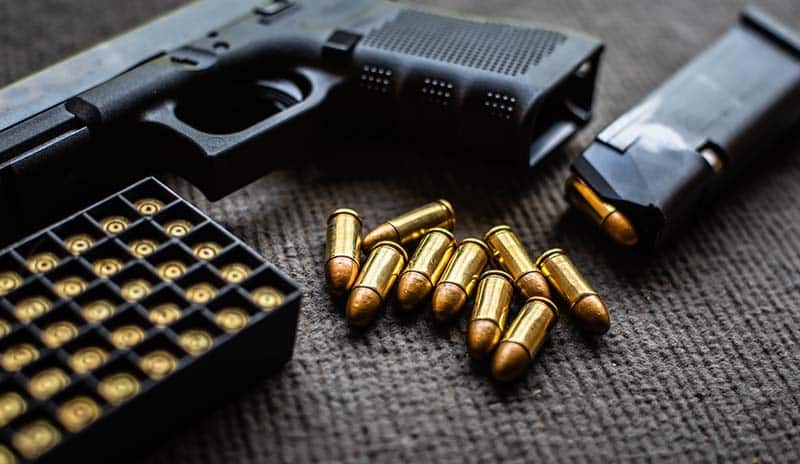
Guns and firearms have played a significant role in human society, evolving from primitive tools of survival into highly advanced instruments used for multiple purposes. While early societies relied on bows, arrows, and other melee weapons, the development of firearms revolutionised combat, hunting, and personal protection. Guns are instruments that propel projectiles at high speed to cause impact, while firearms specifically use explosive propellants to achieve this purpose. Today, firearms are used not only in warfare and law enforcement but also for recreational sports, competitive shooting, and hunting.
The Evolution of Gun Manufacturing
The history of gun manufacturing is closely tied to the discovery and use of gunpowder. What began as simple firecrackers in Asia evolved into crude weapons capable of propelling projectiles at enemies. As knowledge spread, this technology reached Europe, where early guns were developed into more complex systems. Firearms were gradually refined with innovations such as rifling for accuracy, stronger barrels for durability, and repeat-fire mechanisms for increased effectiveness. Guns became central not just to warfare but also to hunting and eventually personal self-defense.
One of the earliest designs, the fire lance, was essentially a metal tube filled with powder that could launch small projectiles. As Europeans adopted the concept, they introduced improvements such as stronger barrels and mechanical firing systems. Early ammunition was often stored in paper or leather casings, which lacked consistency. With the rise of industrial production, guns were eventually standardised and mass-produced, making them widely available for military and civilian use alike.
Modern Use of Firearms
Today, guns serve a variety of purposes. Hunters use rifles and shotguns to harvest game. Sports shooters participate in competitions ranging from clay pigeon shooting to precision rifle events. Law enforcement agencies rely on firearms for protection and maintaining order. Military forces use highly advanced weaponry for national defense and strategic operations. Beyond these roles, firearms are also seen as tools for personal protection in many regions.
At the same time, firearms ownership comes with great responsibility. A lack of proper handling or storage can lead to devastating consequences. As more people acquire firearms for personal use, education on safety practices has become a crucial part of responsible ownership.
Common Mistakes to Avoid When Handling Firearms
Handling a firearm without proper respect is one of the most common and dangerous errors. Some of the key mistakes to avoid include:
- Improper storage: Always lock firearms in a secured cabinet and store ammunition separately.
- Neglecting cleaning and maintenance: Firearms should be cleaned after use and stored in a dry environment to prevent malfunction.
- Using incorrect ammunition: Ammunition must match the specifications of the firearm. Using the wrong type can cause malfunctions or damage.
- Cluttered environment: Firing or reloading in a cluttered space increases the risk of accidental discharge.
- Lack of training: Many accidents happen because users are unfamiliar with proper handling techniques.
Keeping guns away from children and untrained individuals is one of the most important rules. Responsible owners invest time in learning and practising safe gun use.
The Importance of Ammunition Selection
Ammunition is just as important as the firearm itself. Using reliable and properly matched rounds ensures safe operation, consistent performance, and preservation of the firearm. For example, high-quality practice rounds such as Turan 9mm bulk handgun ammo 115 grain fmj are preferred for training sessions because they provide uniform performance and reduce wear on the weapon.
Low-quality or mismatched ammunition can lead to misfires, jams, or damage to the barrel. In extreme cases, it may even result in catastrophic failure of the firearm, putting the shooter at risk. Responsible gun ownership means ensuring that ammunition is sourced from trusted suppliers and always matches the firearm’s chambering.
Feeding Components and Magazines
Equally important to choosing the right ammunition is selecting reliable feeding components — a magazine’s material and construction directly affect feeding consistency and corrosion resistance. Many shooters, instructors, and agencies prefer magazines molded from durable nylon resins because they resist corrosion and wear under heavy use. For those wanting to compare manufacturing approaches and longevity, see the best gun magazine manufacturer to review construction details, testing practices and warranty provisions. Weighing magazine durability alongside ammunition choice helps reduce malfunctions and prolongs a firearm’s service life.
Modern Safety Practices and Best Standards
Firearm safety is rooted in simple but vital rules that every owner should follow. The foundation of safe gun use includes:
- Never point a gun at anything you do not intend to shoot.
- Be certain of your target and what lies beyond it. Bullets can travel great distances, so knowing your backdrop is essential.
- Always keep your finger off the trigger until ready to fire.
- Do not handle firearms under the influence of alcohol, drugs, or any medication that causes drowsiness.
- Wear proper protection. Eye and ear protection should be mandatory at shooting ranges.
Education and consistent practice with these rules drastically reduce the chances of accidents. Organisations and training institutions encourage new shooters to take certified courses, ensuring they understand not only how to shoot but also how to maintain discipline and control.
Firearms in Sport and Recreation
In addition to hunting and defense, shooting has become a major recreational and competitive activity. Sports such as clay pigeon shooting, practical pistol competitions, and long-range precision events attract thousands of participants worldwide. These sports are built on discipline, safety, and skill development. For many, shooting is not only about accuracy but also about community and tradition.
Recreational use also extends to hobbyists who enjoy collecting historical firearms, studying their craftsmanship, and preserving them as part of cultural heritage. Whether for competition or collection, safety and responsible ownership remain paramount.
Responsible Ownership and Broader Perspectives
Owning a firearm requires an understanding that it is not just a tool, but a responsibility. Responsible gun ownership extends beyond maintenance and safety rules. It includes understanding the ethical and social implications of carrying a firearm, ensuring it is used only in appropriate contexts, and complying with all local laws and regulations.
Education programs, awareness campaigns, and access to professional guidance help new owners integrate into the firearm community with the right mindset. Respect for firearms culture and recognition of the risks they carry ensure that these tools continue to serve society in constructive ways rather than destructive ones.
Conclusion
Firearms have evolved from primitive powder-filled tubes to advanced tools of precision and reliability. They are essential in many aspects of modern life, from defense and law enforcement to sport and hunting. However, with ownership comes the need for responsibility, education, and adherence to best practices. Choosing the right ammunition, investing in reliable magazines, maintaining firearms regularly, and following universal safety rules are all vital components of responsible gun use.
Ultimately, the safest and most effective firearm owner is one who respects the power of the weapon, prioritises safety above all, and remains committed to lifelong learning about proper handling and care. As society continues to evolve, the role of firearms will adapt, but the principles of safety and responsibility will always remain constant.
