
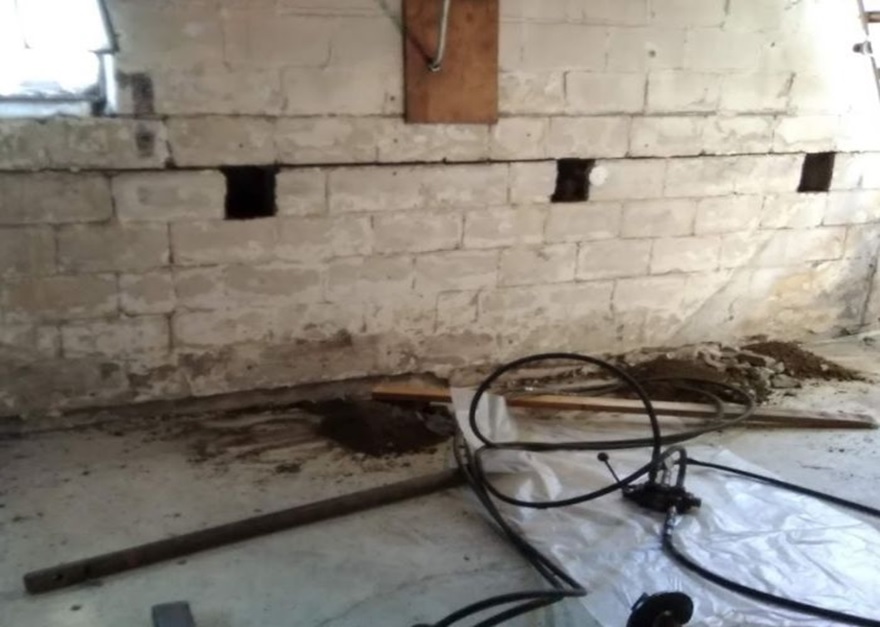
Foundation movement does not always begin with a dramatic crack across a basement wall. Small changes often appear first. A floor feels slightly different underfoot, trim pulls away near a doorway, a basement corner stays damp after rain, or a crack that once seemed harmless begins to look wider at one end.
Knowing what to watch for gives you a clearer picture before foundation repair in Farmington becomes a larger concern. The useful clues are often spread across several parts of the property, so it makes sense to compare walls, floors, doors, moisture, and drainage instead of focusing on one visible mark.
A Floor May Feel Different Before It Looks Different
You may notice a change in the floor while walking through a room long before you see anything unusual.
One area may feel slightly lower. Furniture may sit unevenly. A floor may seem to slope toward a wall or doorway.
Those changes deserve attention, especially when they appear alongside cracks, separated trim, or doors that no longer move smoothly.
Farmington Foundation Repair Specialists’ current site notes that sloping floors and gaps beneath trim may point toward movement below the living space. The important next step is looking at the rooms around that area rather than treating the floor change as an isolated problem.
Doorways Often Make Movement Easier to Notice
Doors depend on square openings.
When framing shifts, a door may start rubbing one side of the frame, sticking near the top, or failing to latch the same way it once did. The change may appear slowly enough that you begin adjusting how you close the door without thinking much about it.
Take note when that happens.
Look at the wall around the opening for cracks or gaps in the trim. Then check nearby doors and windows for similar changes.
If you want to review available local foundation services and repair options, visit https://farmingtonfoundationrepairspecialists.com/.
Hairline Cracks Become More Useful When You Look Around Them
A crack does not tell the whole story by itself.
Its location, direction, nearby openings, moisture, and surrounding movement all matter. A crack beside a basement window deserves a different look from one running across a concrete floor.
Step back several feet and examine the entire area.
Is another crack nearby? Has the trim been separated? Does the wall appear straight? Is there staining after rain?
The current Farmington site specifically describes inspecting the pattern around a crack before discussing repair options. It also advises noting nearby floor changes, separated trim, and moisture rather than judging the crack from shape alone.
Basement Moisture May Appear Before Structural Damage Is Clear
A damp basement corner may first look like a waterproofing problem.
Sometimes it is. Other times moisture appears in the same area as cracks, wall movement, or exterior drainage trouble. Those conditions still need to be evaluated separately.
Look at when the moisture appears.
A damp patch that follows heavy rainfall gives different information from moisture that remains present during long dry periods. White mineral deposits, peeling paint, water marks, and damp floor-wall joints also provide useful clues.
During foundation repair in Farmington, moisture observations may lead the inspection toward the basement wall, exterior drainage, or another part of the structure.
Water Outside Changes Conditions Around the Foundation
Rainwater does not stop affecting the house when it reaches the ground.
The U.S. Department of Energy explains that roof runoff may quickly saturate soil surrounding a foundation when it is not carried away from the building. Its guidance on foundation drains, gutters, and downspouts recommends directing roof water away and grading the surrounding ground so runoff moves away from foundation walls.
After a heavy rain, walk around the exterior.
Look for downspouts releasing water near the house, low spots holding water, and landscaping that directs runoff back toward the structure. These observations add context to what you see inside.
Gaps Around Trim May Be Easier to Spot Than Wall Movement
Baseboards, door casings, and other trim pieces create straight reference lines.
When a gap develops where trim once met the wall cleanly, the change often stands out. A small separation does not automatically indicate a foundation problem, but several new gaps around the same part of the house deserve attention.
Photograph the area and note the date.
If the gap changes later, you will have a useful comparison instead of relying on memory.
This simple record becomes especially useful when cracks or floor changes begin appearing nearby.
Crawl Space Problems May Show Up in the Room Above
With crawl-space construction, the first noticeable clue may appear inside the living area rather than below the house.
A floor might feel soft, bouncy, or uneven. Musty odors may become more noticeable. Damp insulation or moisture may also appear beneath the floor system.
The Farmington site describes crawl-space evaluations that look at visible moisture and support concerns as well as changes felt in the rooms above.
That relationship matters because the symptom you notice upstairs may lead the inspection toward beams, piers, moisture, or another condition below.
Basement Walls May Change Shape Slowly
A basement wall does not need to fail suddenly for a problem to become noticeable.
A crack may widen over time. A wall may begin bowing inward. Blocks or concrete sections may no longer appear aligned the way they once did.
Look along the wall from an angle rather than standing directly in front of it.
This viewpoint often makes changes in alignment easier to see.
The current Farmington site states that bowing basement walls and widening cracks deserve inspection before repair methods are discussed.
Concrete Floor Cracks Need Surrounding Context
A crack across a garage, basement, or slab floor may look like a straightforward surface problem.
Before treating it that way, check the surrounding area.
Is one side higher than the other? Has the crack changed? Do nearby walls or doors show movement? Does the floor slope toward one section?
A surface fill changes the appearance of the crack, but it does not explain why the concrete moved.
Thoughtful foundation repair in Farmington starts with that distinction between the visible line and the conditions around it.
Previous Repairs Provide a Useful Timeline
Old patches tell you where someone noticed trouble before.
A repaired crack that remains unchanged may provide reassurance. A patch that repeatedly reopens deserves another look.
Do not assume an old repair was performed incorrectly simply because you see it.
Instead, note its location and condition.
If you have records from previous work, keep them available. Older inspection reports, invoices, photographs, or property records may provide useful background when discussing what has changed since then.
Heavy Rain Is a Good Time to Observe the Property
Dry weather may hide drainage problems.
After substantial rain, notice where water moves across driveways, patios, lawns, and planting beds. Check where downspouts discharge and whether water remains near the foundation.
Then look inside the basement or crawl space.
If moisture consistently appears after storms, record the location and timing.
The current Farmington site specifically advises looking at grading, downspouts, low spots, and the path runoff follows near the foundation.
Those details give the inspection useful information about the conditions surrounding the structure.
One Sign Matters Less Than the Pattern
A sticking door by itself may have a simple explanation.
A sticking door beside a new crack, sloping floor, and separated trim creates a more meaningful pattern.
That does not mean every symptom shares one cause. It means the areas deserve to be compared before deciding what work fits the property.
Make a short list of what changed and when you first noticed it.
You do not need technical terminology. Simple observations such as “the bedroom door started rubbing in September” or “this corner gets damp after strong rain” provide useful information.
Repairs Should Follow the Findings
Foundation work includes several different approaches because structural problems do not all develop the same way.
One property may need crack work. Another may involve house leveling, basement wall repair, concrete foundation work, pier and beam support, slab work, leak repair, or drainage improvements.
The Farmington site currently lists all of these as separate services and states that proposed work is based on what is observed around the affected area.
That is why the inspection belongs before the repair decision.
Starting with a preferred repair method before understanding the condition risks treating the symptom rather than the reason it appeared.
Notice the Changes You Live With Every Day
Structural changes often become familiar before they become obvious.
You get used to pushing one door harder. You avoid a damp basement corner. You stop placing furniture on one uneven part of the floor.
Those small adjustments are worth mentioning.
Thoughtful foundation repair in Farmington begins with the details you have noticed during normal life and expands outward to the walls, floors, supports, drainage, and moisture conditions around them.
If cracks, uneven floors, basement moisture, bowing walls, or other changes have started affecting your property, contact Farmington Foundation Repair Specialists to arrange a visit, explain what you have noticed, and discuss the repair options that fit the structure.
