
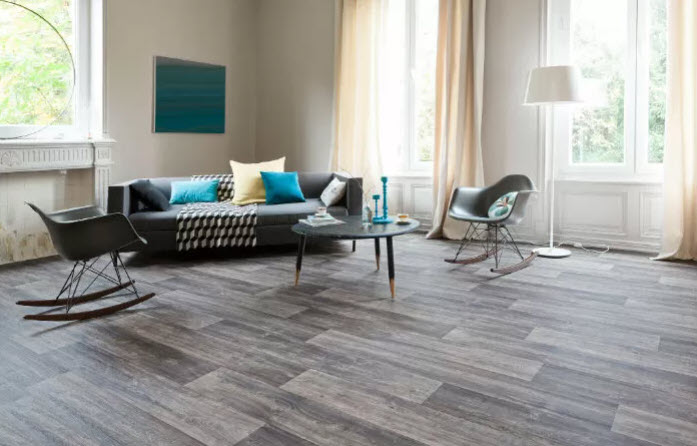
When it comes to interior design, few elements have as profound an impact on a space as flooring. Often overlooked in favor of more visible design features like furniture or wall colors, flooring serves as the literal foundation upon which the rest of your home’s aesthetic is built. Not only does it provide essential functionality and durability, but it also has the power to set the tone for an entire room or home. Whether you’re renovating a single room or embarking on a full-scale redesign, choosing the right flooring is paramount to achieving a balanced, cohesive, and stylish environment.
In this article, we will explore various flooring options, factors to consider when choosing the best material for your space, and how to ensure that the floor you select enhances both the style and functionality of your home.
1. Understanding the Importance of Flooring in Design
Flooring is often one of the first things people notice when they enter a room, yet it is also one of the most integral elements of a home’s design. It not only impacts the visual appeal of a space but also plays a significant role in terms of comfort, acoustics, and maintenance. A well-chosen floor material can unify the design of a room, creating a seamless flow from one space to another, while a poor choice can make the area feel disjointed or uncomfortable.
The material you choose will also affect the functionality of the room. For instance, hardwood floors in a living room or bedroom lend warmth and elegance, but they may not be the best option for high-moisture areas like kitchens or bathrooms. On the other hand, tiles or stone might provide the durability and water resistance necessary for these spaces.
2. Popular Flooring Options and Their Benefits
Each flooring material comes with its own set of benefits, aesthetics, and drawbacks. Understanding the options available can help you make an informed decision that suits both your style and needs.
Hardwood Flooring
Hardwood flooring is the epitome of timeless elegance and is widely regarded as one of the most versatile and durable flooring choices. With its natural grain patterns, rich textures, and variety of finishes, hardwood adds a sense of warmth and sophistication to any room. It works well in both traditional and contemporary designs, offering flexibility to complement various décor styles.
The advantages of hardwood are clear: it’s incredibly durable, easy to clean, and adds significant value to a property. Moreover, hardwood floors can be refinished to restore their original beauty, making them a long-term investment. However, hardwood does have its limitations, especially in areas with high humidity, such as bathrooms or basements, where it can warp or become damaged over time.
Laminate Flooring
Laminate flooring offers the appearance of hardwood but at a fraction of the cost. Made from composite wood and covered with a photographic layer that mimics the look of real wood or stone, laminate provides an affordable yet stylish solution for those on a budget. Modern laminate options even offer textured finishes that replicate the natural grains and variations found in hardwood, making it difficult to distinguish the two.
Laminate floors are highly resistant to scratches, stains, and fading, making them a great choice for high-traffic areas. Additionally, they are easy to install and maintain, requiring only regular sweeping and occasional mopping. However, laminate does not add as much value to a home as hardwood, and while it can mimic wood and stone, it does not have the same depth or warmth.
Tile Flooring
Tile is an incredibly versatile flooring option that comes in a wide variety of materials, including ceramic, porcelain, and natural stone. Tile is highly durable, water-resistant, and easy to clean, which makes it a popular choice for kitchens, bathrooms, and entryways. It also offers a wide range of design possibilities, from sleek, modern concrete tiles to ornate, hand-painted ceramic options. The possibilities are nearly endless.
One of the major advantages of tile is its durability; with proper care, it can last for decades. Furthermore, tile is ideal for regions with fluctuating climates, as it helps maintain coolness in the summer and warmth in the winter. However, it can be cold and hard underfoot, and grout lines can accumulate dirt and grime if not cleaned regularly.
Vinyl Flooring
Vinyl has seen a resurgence in popularity in recent years due to its affordability, versatility, and ease of maintenance. Modern vinyl floors, particularly luxury vinyl plank (LVP) and luxury vinyl tile (LVT), offer a wide range of designs, including realistic wood and stone finishes. These products are waterproof, making them an excellent choice for moisture-prone areas like kitchens, bathrooms, and basements.
Vinyl is also one of the easiest flooring options to install and maintain. It is resistant to stains, scratches, and fading, which makes it a suitable choice for homes with children or pets. However, while vinyl offers a high degree of practicality, it may not have the same long-term durability or natural appeal as materials like hardwood or stone.
Carpet
Carpet is often associated with comfort, warmth, and coziness. It is ideal for bedrooms, living rooms, and home offices where a softer, quieter environment is desired. Carpet comes in a range of textures, patterns, and colors, allowing homeowners to create a personalized space. Additionally, modern carpets are available in a variety of materials, including wool, nylon, and polyester, each offering distinct benefits in terms of texture, durability, and ease of cleaning.
The downside of carpet is that it requires more maintenance than other flooring types. It can trap dust, allergens, and pet hair, which necessitates regular vacuuming and occasional deep cleaning. Furthermore, carpet is less durable than hard flooring options and can show signs of wear over time, especially in high-traffic areas.
3. Factors to Consider When Choosing Flooring
When selecting the best flooring for your home, several key factors should influence your decision. These include:
Durability and Maintenance: Consider how much foot traffic the area will experience and whether the flooring will need to withstand wear and tear over time. Materials like hardwood, tile, and stone tend to be more durable than carpet or vinyl, but they may also require more upkeep.
Climate and Moisture Resistance: In regions with high humidity or extreme temperatures, you’ll want flooring that can withstand moisture and temperature changes. Tile, stone, and vinyl are all highly resistant to water, while hardwood may be more prone to damage in such environments.
Style and Aesthetics: Choose a flooring material that complements the overall style and color palette of your home. For instance, sleek, modern homes may benefit from polished concrete or wide-plank hardwood, while more traditional homes may be suited to patterned carpets or vintage-style tiles.
Budget: Flooring can be a significant investment, so it’s important to choose a material that fits within your budget. Hardwood and natural stone can be expensive, while laminate, vinyl, and carpet offer more affordable options. Consider the long-term investment and value that your flooring will add to your home.
Environmental Considerations: If sustainability is a priority, look for eco-friendly flooring materials, such as bamboo, cork, or reclaimed wood. These options are renewable, biodegradable, and can often be sourced locally to minimize their environmental impact.
4. Creating a Seamless Flow
One of the most important aspects of floor design is creating a seamless flow between spaces. When selecting flooring, consider how it will transition from one room to another. For example, you may choose hardwood for the living room and entryway but opt for tile in the kitchen or bathroom. To maintain visual coherence, ensure that the colors and textures complement one another. Additionally, think about transitions between rooms. A transition strip can be used to bridge two flooring types smoothly, creating a seamless connection between areas.
5. Conclusion: The Foundation of Style and Function
Flooring is a crucial element in home design, influencing both the aesthetics and functionality of a space. The material you choose sets the tone for the rest of the design, and when chosen thoughtfully, it can elevate the beauty and comfort of your home. Whether you opt for the classic elegance of hardwood, the durability of tile, or the modern appeal of vinyl, there is a flooring option to suit every style, need, and budget. Take your time to explore your choices, keeping in mind both the practical aspects and the overall visual impact, and you’ll ensure your floors stand the test of time—both in terms of quality and style.
