
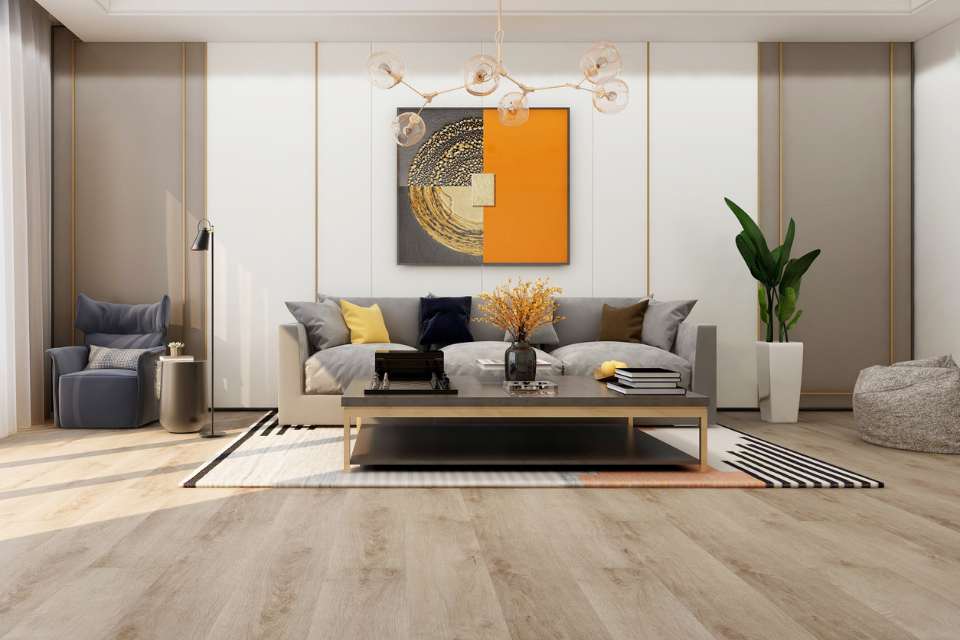
Flooring serves as the literal and visual foundation of any room. Because it occupies a massive amount of visual real estate, the color of your flooring dictates how light interacts with the space, how large the room feels, and how your furniture pieces complement one another. Choosing the wrong flooring shade can make an otherwise meticulously designed room feel fragmented, cramped, or stark.
Selecting the perfect floor color requires a systematic approach that balances the architectural realities of your home with your personal design aesthetic. By understanding how light, room proportions, and color theory intersect, you can confidently choose a flooring color that anchors your interior design seamlessly.
Assess the Natural and Artificial Light in Your Space
Light alters the appearance of color more than any other variable in interior design. A flooring sample that looks like a warm, soft beige under the fluorescent lighting of a showroom might transform into a dull, muddy gray in a north-facing living room.
Understand Room Orientation and Natural Light
The direction your windows face determines the temperature of the natural light entering the room throughout the day:
-
North-Facing Rooms: These spaces receive cool, bluish light consistently. Cool flooring tones, such as gray or charcoal, can make these rooms feel chilly and clinical. Opt for flooring with warm undertones, such as honey oak, warm maple, or soft beige, to balance the cool light.
-
South-Facing Rooms: These areas enjoy intense, warm sunlight for most of the day. They can handle highly saturated colors, cool tones, and very dark shades without feeling dreary. Be cautious with exceptionally warm floors like red oak or cherry, as intense sunlight can make them look overly orange.
-
East-Facing Rooms: These spaces experience bright, warm light in the morning and cooler shadow in the afternoon. Neutral wood tones or light stone flooring adapt well to these shifting light conditions.
-
West-Facing Rooms: These rooms receive rich, golden light in the late afternoon. Warm undertones will be highly amplified during these hours, so neutral or slightly cool-toned flooring can help keep the space feeling grounded.
Evaluate Artificial Lighting
Consider the type of artificial lighting you use. Incandescent and warm LED bulbs emit yellow light that enhances warm flooring colors but can make cool gray floors look dingy. Conversely, cool white or daylight bulbs bring out the blue and gray accents in stone or contemporary laminates but can strip the warmth out of natural wood floors. Always test flooring samples under both daylight and your evening artificial lighting before making a final decision.
Factor in Room Proportions and Dimensions
The color of your floor directly influences the perceived scale of a room. You can use color strategically to visually expand a cramped space or make an oversized, cavernous room feel intimate and inviting.
Expanding Small Rooms with Light Tones
Light flooring reflects the maximum amount of light, which visually pushes the walls outward and opens up a room. If you are working with a small apartment, a narrow hallway, or a compact bedroom, look for light oak, blonde maple, pale stone tile, or light gray luxury vinyl plank.
To maximize this effect, pair light floors with light-colored walls. The lack of contrast between the floor and the walls creates a seamless visual transition, tricking the eye into perceiving more square footage than actually exists.
Grounding Large Rooms with Dark Tones
Large, open-concept spaces with high ceilings can sometimes feel cold, hollow, or uninviting. Dark flooring tones, such as espresso, walnut, deep charcoal, or dark slate, absorb light and pull the space downward. This creates a sense of stability and warmth, making large rooms feel cozy and anchored.
When utilizing dark flooring, ensure you balance it with lighter elements on the walls, ceilings, and upholstered furniture. A dark floor paired with dark walls and dark furniture can quickly result in a cave-like, oppressive environment.
Navigate the Three Core Color Temperature Categories
Flooring generally falls into three main color temperature categories: warm, cool, and neutral. Identifying which category aligns with your design goals simplifies the selection process.
Warm Flooring Tones
Warm floors feature yellow, orange, red, or golden undertones. Common examples include traditional cherry, Brazilian cherry, hickory, and red oak wood flooring, as well as terracotta or warm beige tiles.
Warm flooring excels in traditional, rustic, Mediterranean, and mid-century modern interior designs. It brings an organic, inviting energy to spaces like living rooms and dining areas where people gather to socialize.
Cool Flooring Tones
Cool floors contain gray, blue, or cool white undertones. Examples include ash, whitewashed pine, gray-stained oak, concrete, and slate tile.
Cool tones are the hallmark of modern, minimalist, industrial, and Scandinavian aesthetics. They promote a calm, serene atmosphere, making them exceptionally well-suited for home offices, modern kitchens, and primary bathrooms.
Neutral Flooring Tones
Neutral floors are highly versatile because they lack strong dominant undertones. Greige (a blend of gray and beige), soft tan, and natural un-stained white oak are classic neutrals.
If you like to change your interior decor, paint colors, and textiles frequently, neutral flooring is the safest investment. It acts as a blank canvas that easily accommodates shifting design trends and evolving personal tastes over the decades.
Coordinate with Furniture and Cabinetry
Your floor does not exist in a vacuum; it sits directly beneath your furniture and adjacent to your kitchen or bathroom cabinetry. Creating a harmonious relationship between these elements is essential for a cohesive look.
Avoid Exact Matches
One of the most common design mistakes is trying to match your hardwood floor exactly to the wood tone of your furniture or kitchen cabinets. When everything matches perfectly, the room loses depth and dimension, resulting in a flat, monotonous aesthetic. Instead, aim for contrast and complement.
Implement the Rule of Contrasts
If you have dark walnut kitchen cabinets, choose a light to medium neutral floor to create a distinct boundary between the vertical surfaces of the cabinets and the horizontal surface of the floor. If your sofa and armchairs feature dark wooden legs, place them over a light oak floor, or utilize a light-colored area rug to break up the dark tones.
Blend Wood Species by Matching Undertones
You can mix different wood species and stains within the same room as long as they share a similar undertone. For example, you can pair a natural white oak floor with a warm honey maple dining table because both share a warm, golden undertone. However, pairing a cool gray-stained floor with an orange-toned cherry wood hutch creates a jarring visual clash.
Establish a Consistent Whole-House Palette
While it can be tempting to choose a completely different flooring color for every room in your home, doing so disrupts the visual flow. Frequent transitions between light, dark, warm, and cool flooring make a house feel small, disjointed, and chaotic.
The Unified Flooring Approach
For the most cohesive interior design, use the exact same flooring color throughout all the main living areas, including the entryways, hallways, living rooms, and kitchens. This continuous expanse of color draws the eye through the home, creating a sense of spaciousness and uninterrupted flow.
Transitions in Utility Spaces
It is acceptable to transition to different flooring types and colors in distinct, enclosed rooms like bathrooms, laundry rooms, and bedrooms. When doing so, ensure the transition feels intentional. If your main living space features a light beige oak floor, transition to a bathroom tile that incorporates soft beige veins or neutral tones to maintain a subtle thread of continuity.
Frequently Asked Questions
How do I prevent a room with dark floors from feeling too dark and gloomy?
To keep a room with dark floors bright and balanced, paint your walls in a crisp white, cream, or very light gray. Use light-colored area rugs under major furniture groupings to create visual separation. Opt for furniture upholstery in neutral, light fabrics and ensure windows are unobstructed to allow maximum natural light to flood the space.
Should flooring be lighter or darker than the walls?
There is no absolute rule, but standard design practice leans toward making the floor slightly darker than the walls. This replicates the natural world, where the ground is darker than the sky, creating an subconscious feeling of stability. However, combining light floors with dark accent walls can work well in contemporary spaces to create dramatic contrast.
How does the finish texture of the floor impact the way its color looks?
The texture and sheen level alter color perception significantly. High-gloss finishes reflect light directly, making dark colors look deeper and highlighting imperfections or dust. Matte and wire-brushed finishes diffuse light across the surface, which softens the intensity of the color and helps conceal scratches, footprints, and pet hair.
What flooring colors are best for hiding dirt and pet hair?
Extremely light floors show dark dirt and mud, while extremely dark floors show dust, lint, and light-colored pet hair immediately. The best flooring colors for hiding debris are medium-toned neutrals with natural variations, such as hickory, character-grade oak, or multi-toned stone look tile. Floors with visible grain patterns and knots are excellent at concealing daily wear.
Can I install cool gray flooring if I have warm wood furniture?
Yes, but you must bridge the gap using transitional elements to prevent the space from feeling disconnected. Introduce an area rug that contains both warm wood tones and cool grays. You can also add throw pillows, artwork, or window treatments that blend these two color palettes to tie the room together.
How do I choose a flooring color if I plan to sell my house in a few years?
When designing for resale value, avoid highly specialized or trendy colors, such as stark white, deep black, or vibrant terracotta. Stick to highly sought-after, timeless classics like natural white oak, medium brown walnut, or soft neutral greige. These tones appeal to the widest pool of potential buyers and fit almost any decor style.
