
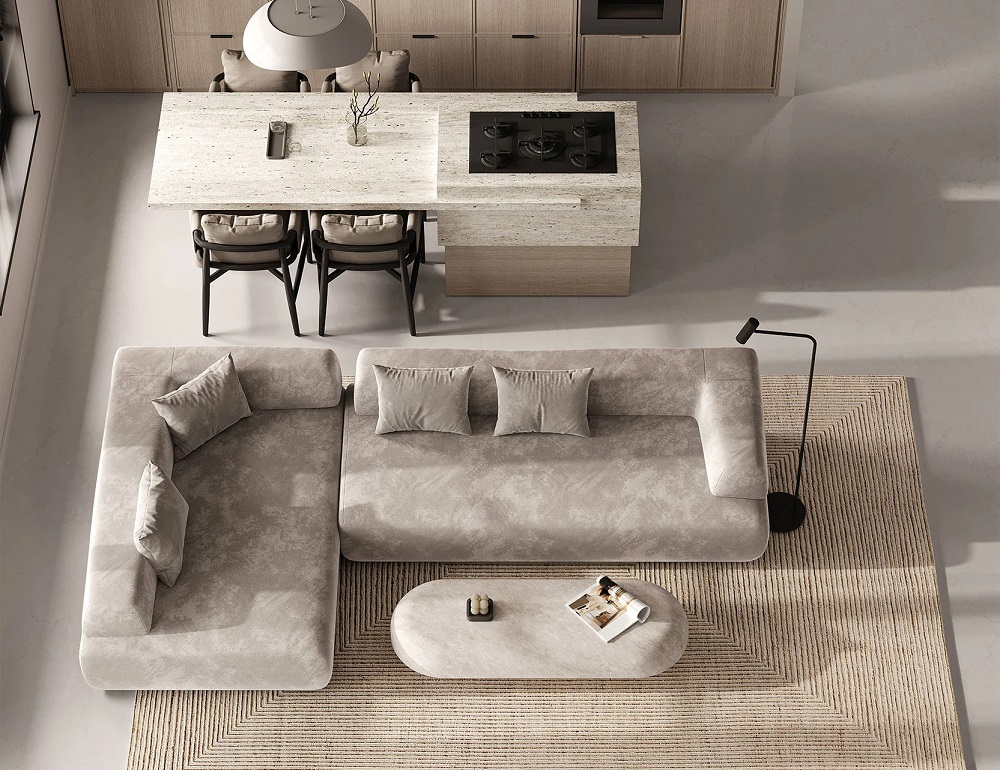
High-quality furniture is a significant financial investment and a foundational element of your home’s aesthetic comfort. Whether you own an heirloom solid wood dining table, a premium leather sofa, or contemporary upholstered armchairs, these pieces undergo daily wear and tear. Without intentional maintenance, environmental factors and regular use will inevitably lead to structural degradation, staining, and fading.
Implementing a systematic furniture care routine preserves the structural integrity and surface beauty of your investments for decades. By understanding the unique requirements of different materials and protecting them from environmental hazards, you can prevent premature aging and avoid costly replacements.
The Core Principles of Environmental Preservation
Before establishing specific cleaning schedules, you must address the surrounding environment. The climate and placement of your furniture within a room dictate its long-term survival far more than topical polishes or cleaners.
Shielding Furniture from Sunlight Damage
Ultraviolet rays from the sun cause irreversible harm to almost all furniture materials. Prolonged exposure breaks down chemical bonds in wood stains, bleaches natural fabrics, and dries out leather, leading to cracking and splitting.
-
Window Placement: Position premium wood and leather pieces away from direct sunlight paths.
-
Window Treatments: Utilize UV-blocking window films, sheer curtains, or solar shades to filter harsh sunlight while maintaining natural room illumination.
-
Rotational Strategy: If furniture cannot be moved away from windows, rotate the pieces every few months to ensure any inevitable sun exposure happens evenly across the surfaces rather than creating stark discoloration lines.
Managing Indoor Humidity and Temperature
Wood is a hygroscopic material, meaning it behaves like a sponge, absorbing and releasing moisture from the air. High humidity causes wood to swell, which can jam drawers and warp tabletops. Low humidity causes wood to shrink, resulting in loose joints and structural splitting.
Maintain a stable indoor relative humidity level between 35 percent and 45 percent. Use a humidifier during dry winter months when central heating strips moisture from the air, and run an air conditioner or dehumidifier during muggy summer months. Keep all furniture pieces at least two feet away from heating vents, radiators, fireplaces, and air conditioning units, as rapid temperature fluctuations compromise glues and stress wood fibers.
Essential Routines for Solid and Veneered Wood Furniture
Natural wood furniture requires regular care that respects its porous surface. Over-cleaning or using improper chemicals can strip away protective clear coats and damage the underlying wood.
Weekly Dusting Protocols
Dust seems harmless, but it consists of microscopic abrasive particles. When these particles accumulate on wood surfaces, daily friction from shifting items creates tiny scratches that dull the finish over time.
Dust your wood furniture at least once a week using a clean, dry, lint-free microfiber cloth. Microfiber naturally attracts dust particles via static electricity, eliminating the need for moisture. Avoid feather dusters, which merely displace dust into the air, and never use dry paper towels, as their coarse fibers can micro-scratch delicate lacquer finishes. Always wipe in the direction of the natural wood grain to prevent cross-grain scratching.
Choosing the Right Cleaning Agents
Avoid commercial aerosol dust sprays and furniture polishes that contain silicone or petroleum distillates. While these products provide an immediate, artificial shine, they leave behind a greasy chemical film. This film traps dust, darkens over time, and makes future structural refinishing or touching up impossible because finishes cannot adhere to silicone.
For routine cleaning, slightly dampen a microfiber cloth with water and a single drop of mild dish soap. Wipe the surface gently, then immediately follow up with a dry cloth to remove any residual moisture. Never allow water to puddle on wood furniture.
Polishing and Waxing Schedules
To maintain depth and luster, apply a high-quality paste wax containing natural carnauba or beeswax once or twice a year. Paste wax fills in minor surface scratches and creates a durable, long-lasting barrier against moisture and minor spills. Apply a thin layer with a soft cloth, let it dry to a haze according to product instructions, and buff it out vigorously in the direction of the grain.
Upholstery and Fabric Maintenance Systems
Fabric upholstered furniture absorbs dust, body oils, and environmental odors. Left unchecked, embedded dirt acts like sandpaper inside the weave, breaking down the fibers from the inside out.
The Power of Routine Vacuuming
Vacuum your fabric sofas and chairs every two weeks using the upholstery attachment tool. Pay close attention to the crevices beneath cushions, where crumbs and abrasive dirt accumulate.
If you have loose cushions, flip and rotate them weekly. This ensures the foam cores and fabric casings wear evenly, preventing deep indentation zones and fabric stretching on the most frequently used spots.
Managing Spills and Stains Immediately
When a spill occurs, swift and proper action determines whether it becomes a permanent stain or a minor inconvenience.
-
Blot, Never Scrub: Rubbing a spill pushes the liquid deeper into the fabric backing and distorts the yarn fibers permanently. Press a clean, white paper towel or cotton cloth firmly over the liquid to absorb as much as possible.
-
Check the Cleaning Codes: Locate the manufacturer care tag under the frame cushions to find the fabric cleaning code.
-
Code S: Clean only with water-free solvent cleaners. Water will leave permanent ring marks.
-
Code W: Clean with water-based cleaning agents.
-
Code WS: Safe for either water-based or solvent-based spot cleaners.
-
Code X: Vacuum or brush gently only. Professional cleaning is required for stains.
Leather Furniture Preservation Tactics
Genuine leather is skin, meaning it requires hydration to retain its elasticity and luxurious feel. Neglected leather loses its natural oils, leading to stiffening, fading, and eventual peeling.
Monthly Cleaning Methods
Every month, wipe leather surfaces down with a soft, damp cloth to remove surface oils and dust. Avoid all multi-purpose household cleaners, window sprays, and dish soaps, which strip the protective top-coats off the leather. If a deeper clean is necessary, use a specialized pH-balanced leather cleaner specifically formulated to preserve the material’s structural integrity.
Bi-Annual Conditioning Routines
Apply a dedicated leather conditioner every six months. Conditioning restores the essential oils that evaporate due to indoor heating and dry air. Rub the conditioner into the leather using circular motions, allow it to penetrate the pores for an hour, and buff the surface with a dry cloth to remove excess residue. This routine keeps the leather soft, pliable, and resistant to punctures and tears.
Hardware and Joint Structural Integrity Checks
Furniture longevity is not just about cosmetic surfaces; structural soundness is equally vital. Loose joints put uneven pressure on frames, leading to permanent warping or catastrophic failure.
Once a year, perform a structural inspection on all heavy furniture pieces. Use a screwdriver or wrench to tighten the bolts on dining chair legs, bed frames, and sofa feet. Over time, standard usage loosens these connections, which can cause the wooden dowels or mortise joints to snap under sudden weight. Lubricate metal drawer slides with a silicone-free dry lubricant to ensure smooth operation without attracting dust particles.
Frequently Asked Questions
What is the difference between solid wood and wood veneer regarding long-term care?
Solid wood is uniform throughout and can tolerate multiple rounds of deep sanding and refinishing over its lifespan. Wood veneer consists of a thin layer of premium wood bonded to a core of particleboard or medium-density fiberboard. While the daily dusting and cleaning routines are identical, you must never deeply sand veneer furniture, as you will quickly wear through the thin exterior wood layer and ruin the piece.
How do I safely remove white heat rings from a wood table surface?
White rings occur when moisture becomes trapped beneath the topmost clear finish coat. You can often draw the moisture out by placing a clean, dry cotton towel over the mark and running a clothes iron set to low heat with no steam over the towel for ten seconds at a time. Alternatively, applying a small amount of non-gel toothpaste mixed with baking soda onto a cloth and rubbing it gently with the grain can lift the cloudiness.
Is it necessary to professionally clean upholstered furniture if it looks clean?
Yes, hiring a professional technician to hot-water extract or solvent-clean your upholstery every two to three years is highly beneficial. Even if there are no visible stains, upholstery accumulates invisible body oils, dead skin cells, and microscopic airborne pollutants that degrade fabric fibers and compromise indoor air quality over time.
How can I repair minor scratches on dark wood furniture without hiring a professional?
For shallow scratches that only affect the top finish color, you can use a matching commercial wood touch-up marker or a specialized furniture crayon. For a quick household remedy, rub the meat of a raw walnut grain directly into the scratch. The natural oils and pigments in the nut darken the exposed wood, making the scratch blend into the surrounding finish.
Why are my leather couch cushions starting to wrinkle and stretch?
Leather is a natural material that relaxes and stretches with use. Regular wrinkling is normal, but you can minimize permanent sagging by plumping the cushions weekly to redistribute the inner foam fill. You can also use a hair dryer on a medium-warm setting, keeping it moving at least six inches away from the surface, to gently heat and shrink loose leather sections back into place.
Should I use scotchgard or aftermarket fabric protectors on new furniture?
Before applying any aftermarket protective spray, check your furniture warranty terms. Many manufacturers void the warranty if secondary chemical treatments are applied to the fabric. If your warranty permits it, using a fabric protector creates a hydrophobic barrier that buys you valuable time to blot up liquid spills before they soak into the yarn.
