
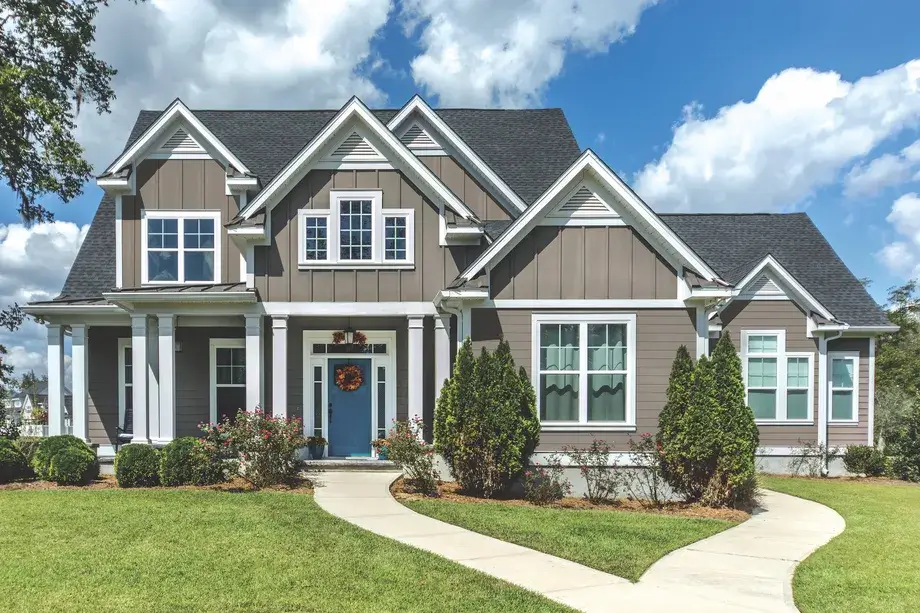
Choosing the right exterior material for a home is one of the most significant decisions a homeowner or builder will make. The exterior facade serves as the primary shield against environmental elements, including driving rain, extreme temperature fluctuations, high winds, and ultraviolet radiation. A poorly chosen material can lead to frequent maintenance, moisture intrusion, structural damage, and premature replacement costs. Conversely, selecting a highly durable material enhances the structural integrity of the home, improves energy efficiency, and provides long-term financial savings.
When evaluating options for longevity, several factors must be weighed, including regional climate, structural weight capacity, maintenance requirements, and overall resistance to pests and fire. This comprehensive guide details the top-performing materials for long-lasting home exteriors, examining their structural characteristics, lifespans, and performance metrics.
1. Natural Stone Veneer and Solid Masonry
Natural stone stands as the benchmark for architectural durability. Used for centuries in monumental construction, modern residential applications utilize either solid stone masonry or natural stone veneer to provide an impervious external barrier.
Durability and Lifespan
A properly installed natural stone exterior can easily last more than 100 years, often outliving the structural framing of the house itself. It is virtually immune to rot, insect infestations, and thermal degradation.
Performance Under Environmental Stress
-
Fire Resistance: Stone is completely non-combustible, offering the highest level of fire protection available in residential construction.
-
Moisture Resistance: High-density stones like granite, quartzite, and slate possess incredibly low porosity, preventing water absorption that leads to freeze-thaw cracking.
-
Climatic Adaptability: Stone performs exceptionally well in all climates, from arid deserts to sub-zero alpine environments. It does not fade under heavy ultraviolet exposure or warp under high humidity.
Maintenance Requirements
Natural stone requires minimal upkeep. Annual inspections of the mortar joints are recommended, as mortar can degrade faster than the stone itself. Repointing, which involves replacing damaged mortar, may be required every 30 to 50 years.
2. Clay Brick Masonry
Clay brick is a timeless building material manufactured by firing molded clay at temperatures exceeding 2000 degrees Fahrenheit. This vitrification process fuses the clay particles together, creating a highly dense and resilient structural unit.
Durability and Lifespan
A traditional brick exterior possesses an average lifespan of 100 years or more. Because the color is baked into the material, brick does not require painting or staining throughout its life cycle.
Performance Under Environmental Stress
-
Impact Resistance: Brick provides superior protection against windborne debris, making it a preferred choice in hurricane-prone regions.
-
Thermal Mass: Brick exhibits high thermal mass properties, meaning it absorbs and stores heat during the day and releases it slowly at night. This dampens indoor temperature swings and reduces heating and cooling demands.
-
Pest and Rot Resistance: Because it contains no organic compounds, clay brick cannot be degraded by termites, carpenter ants, or wood-boring beetles.
Maintenance Requirements
Similar to natural stone, the primary maintenance vulnerability of a brick exterior is the mortar. While the bricks themselves remain intact, the mortar joints must be monitored for cracking or receding. Raking out old mortar and applying fresh mix ensures the wall remains watertight.
3. Fiber Cement Siding
Fiber cement is a composite material engineered from Portland cement, sand, cellulose fibers, and water. It was developed to mimic the aesthetic appearance of traditional wood siding while eliminating the inherent vulnerabilities of natural timber.
Durability and Lifespan
High-quality fiber cement siding generally carries a lifespan of 30 to 50 years. It is highly stable and does not expand or contract drastically with temperature changes.
Performance Under Environmental Stress
-
Moisture and Rot Resistance: Unlike wood, fiber cement does not absorb moisture easily, which prevents rotting, swelling, and fungal growth.
-
Fire Performance: It carries a Class A fire rating, meaning it resists flame spread and does not fuel an active fire.
-
Pest Immunity: The presence of cement and silica makes the material completely unpalatable to insects and birds.
Maintenance Requirements
Fiber cement requires periodic painting, typically every 15 to 20 years, depending on the quality of the initial finish and local weather exposure. Keeping the caulked joints sealed around windows, doors, and trim pieces is critical to preventing water from migrating behind the siding panels.
4. Stucco and Engineered EIFS
Traditional stucco is a mixture of Portland cement, lime, sand, and water applied over a lath matrix. Exterior Insulation and Finish Systems represent the modern evolved variant, incorporating synthetic layers and insulation boards for enhanced thermal performance.
Durability and Lifespan
A well-engineered traditional stucco exterior can last between 50 and 80 years when installed over a properly detailed drainage plane.
Performance Under Environmental Stress
-
Seamless Barrier: Stucco creates a continuous physical shell around the building, reducing air infiltration and improving energy performance.
-
Seismic Resilience: Modern stucco applications often incorporate acrylic polymers that grant the material slight flexibility, allowing it to withstand minor structural shifts without catastrophic cracking.
-
Arid and Semi-Arid Performance: Stucco excels in dry, warm climates where moisture accumulation is minimal.
Maintenance Requirements
Hairline cracks must be sealed immediately to prevent water intrusion. If moisture gets behind the stucco shell and becomes trapped, it can lead to wood rot within the structural wall cavity. The material should be washed down periodically to remove dirt accumulations.
5. Architectural Metals: Steel and Aluminum
Metal siding has evolved from industrial utility to high-end residential architecture. Galvanized steel, aluminum, and zinc are the most common variants deployed for long-lasting modern exteriors.
Durability and Lifespan
High-grade metal siding options possess a functional lifespan ranging from 40 to 70 years. Zinc and copper can last even longer, forming a protective patina over time.
Performance Under Environmental Stress
-
Corrosion Resistance: Modern steel siding is treated with zinc coatings and durable fluoropolymer paints that resist rust. Aluminum naturally forms an oxide layer that prevents deep corrosion, making it highly effective in coastal saltwater environments.
-
Wind Resistance: Rigid metal panels offer high tensile strength and can be engineered to withstand severe wind forces without tearing loose from the fasteners.
-
Lightweight Profile: Unlike brick or stone, metal siding adds very little dead load to the home framing, simplifying foundation requirements.
Maintenance Requirements
Metal siding is exceptionally low maintenance. It does not require sealing or painting for decades if pre-finished with a commercial-grade coating. The main vulnerability is cosmetic indentation from heavy hail or physical impacts.
Comparative Performance Metrics
The following data table outlines the core properties, estimated longevity, and primary cost structures of the leading exterior materials discussed above.
Frequently Asked Questions
Which exterior material provides the highest resistance to seismic activity?
Architectural metal siding and modern engineered stucco with acrylic polymers perform exceptionally well during seismic events. Metal siding is lightweight and flexible, which prevents it from fracturing when a structure moves. Acrylic-modified stucco can flex slightly under stress, whereas heavy, rigid structures like solid stone or brick masonry are prone to cracking or structural failure if they are not specifically reinforced with internal steel rebar.
How does the choice of exterior material affect the interior acoustics of a home?
Heavy, high-density materials like clay brick and natural stone provide excellent acoustic insulation. Their massive physical structures block low-frequency external noises, such as traffic, aircraft, and wind storms. Lightweight materials like metal or vinyl siding offer minimal sound dampening unless they are paired with high-density exterior insulation boards or specialized acoustic wall sheathing during installation.
Can fiber cement siding be installed directly over existing wood siding?
It is not recommended to install fiber cement directly over old wood siding. For the material to achieve its full lifespan, it must be installed over a flat, stable, and completely dry structural sheathing layer covered by a high-quality weather barrier. Installing it over old, warping, or rotting wood can trap moisture, compromise the mechanical fastening system, and void the manufacturer warranty.
Why do some brick homes experience white, powdery staining, and is it permanent?
The white powdery substance is called efflorescence. It occurs when water penetrates the brick or mortar, dissolves naturally occurring crystalline salts within the material, and deposits them on the surface as the water evaporates. Efflorescence is typically harmless and can be brushed off or washed away with water. It is not permanent, but its persistent appearance indicates that water is entering the wall system, which needs to be addressed.
What is a drainage plane, and why is it critical for stucco exteriors?
A drainage plane is a space created between the exterior stucco layer and the interior structural wall sheathing using a weather-resistant barrier or specialized drainage mats. It ensures that any moisture penetrating the porous stucco shell can flow downward and escape through weep holes at the bottom of the wall, rather than soaking into the wood framing and causing structural rot.
How does ultraviolet radiation damage synthetic siding compared to natural materials?
Ultraviolet radiation breaks down the molecular bonds in synthetic materials like vinyl or low-grade plastics, leading to color fading, loss of flexibility, and eventual brittleness that causes the material to crack upon impact. Natural materials like stone, clay brick, and metals with advanced architectural coatings remain highly stable under prolonged solar exposure and do not lose their structural integrity.
Does the color of an exterior material impact its long-term durability?
Color does not change the chemical durability of materials like stone or brick, but it significantly impacts coated materials like metal, fiber cement, and stucco. Extremely dark pigments absorb more solar radiation, leading to higher thermal expansion and contraction cycles. This thermal movement can accelerate the degradation of caulking joints, paint finishes, and protective sealants over time.
