
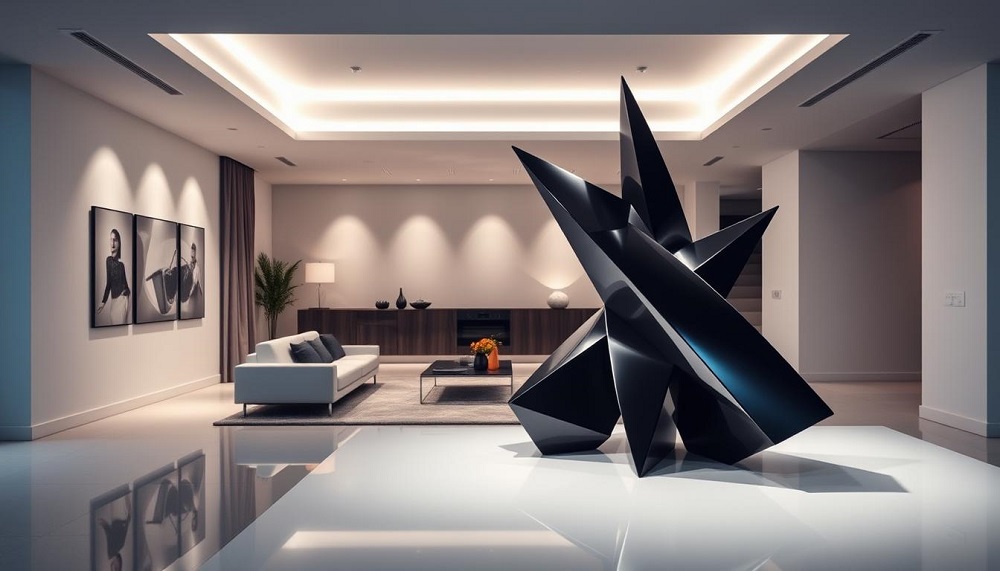
Interior design has evolved far beyond the simple selection of functional furniture and harmonizing wall colors. In contemporary living spaces, design serves as a medium for self-expression, storytelling, and emotional resonance. While large furniture items establish the basic layout and utility of a room, sculptures and decorative pieces inject personality, soul, and structural complexity. These dimensional objects act as the punctuation marks in a design narrative, turning a sterile environment into a highly curated home. Understanding how to select, position, and balance three-dimensional art is essential for creating sophisticated modern environments.
Establishing Visual Anchors and Focal Points
Every well-designed room requires a central feature that instantly captures attention and directs the movement of the eye. In modern design layouts, which frequently showcase open floor plans and minimalist architecture, standard architectural features like traditional fireplaces or ornate moldings are often absent. Sculptures fill this void by providing compelling visual anchors.
A large, strategically positioned floor sculpture can completely define a room. For instance, an abstract metal sculpture placed in an open-concept living area draws the eye upward, highlighting ceiling height and grand proportions. This intentional placement establishes a structural hierarchy, ensuring that the surrounding furniture feels grounded and purposeful rather than unanchored.
Smaller decorative pieces perform a similar function on a minor scale. When placed on a console table, entryway shelf, or fireplace mantle, a unique ceramic vessel or geometric marble object creates a localized focal point. These smaller moments of visual interest break up monotonous expanses of horizontal space, enticing people to pause and examine the finer details of the environment.
Introducing Texture, Layering, and Dimensional Depth
Modern interior styles, especially minimalism, industrialism, and mid-century contemporary design, rely heavily on clean lines and smooth surfaces. Without careful curation, these environments can easily feel flat, cold, or clinical. Decorative accents serve as the primary remedy for this issue by introducing necessary texture and depth.
Artistic objects possess unique structural qualities that break the visual monotony of flat walls, rectangular tables, and uniform upholstery. Incorporating a variety of materials injects immediate life into a room. Consider utilizing these tactile finishes to build depth:
-
Rough, Unrefined Stone: Rough travertine, raw marble, or coarse volcanic rock objects introduce an organic, imperfect feel that contrasts beautifully with smooth glass or polished lacquered wood.
-
Hand-Fired Ceramics: Matte, textured glazes and visibly hand-molded clay pieces break the stiffness of factory-manufactured furniture, adding human warmth.
-
Patinating Metals: Cast bronze, brushed brass, and oxidized iron sculptures provide changing reflections and dark tones that shift under varying light conditions throughout the day.
-
Woven Wicker and Natural Woods: Sculptural elements carved from single blocks of wood or crafted from woven fibers bring soft warmth and a strong connection to nature.
Layering these objects at different heights creates a dynamic landscape within the home. When smooth books sit next to a rough, hand-carved stone bowl, or a sleek metallic sculpture rests on a matte wooden shelf, the resulting contrast enriches the tactile experience of the space.
Altering Perceptions of Proportion and Scale
Sculptures hold a unique power to manipulate how we perceive the size and boundaries of a room. Designers regularly use dimensional art to fix architectural flaws or change the perceived scale of challenging spaces.
In rooms with exceptionally high ceilings, low furniture can leave the upper half of the space feeling empty and cold. Introducing a tall, slender kinetic sculpture or an elongated pedestal topped with an expressive bust bridges the gap between the seating level and the ceiling. This vertical integration makes the grand proportions feel intentional and inviting rather than cavernous.
Conversely, in smaller apartments or compact rooms, a single large, high-quality sculpture can actually make the area feel spacious. While filling a small room with numerous tiny knick-knacks creates cluttered visual noise, introducing one substantial, thoughtfully chosen artistic statement item simplifies the design. It gives the eye a singular, clean place to rest, which creates the illusion of an organized and grand environment.
Expressing Individual Personality and Design Narrative
Furniture choices are frequently restricted by comfort, durability, and standard spatial dimensions. A sofa must be comfortable to sit on, and a dining table must sit at a specific height to be usable. Because decorative accents and fine sculptures are completely free from these functional limitations, they become the purest expression of a homeowner’s unique personality and taste.
A space populated exclusively by mass-produced furniture risks looking identical to a store showroom. Integrating collected sculptures, vintage artifacts, or custom artisan pieces breaks this uniformity. Whether someone prefers bold, angular brutalist metals, smooth, flowing organic wood carvings, or playful post-modern pops of color, these choices telegraph their life values, travel histories, and artistic perspectives.
Furthermore, art sparks natural conversation. A distinctive sculpture positioned on a pedestal or an unusual decorative object resting on a coffee table acts as an immediate icebreaker for guests. These pieces invite curiosity, prompting questions about the artist, the materials used, or the story of how the item was acquired.
Strategies for Harmonious Placement and Curation
Successfully decorating with sculptures and decorative objects requires careful restraint and an understanding of compositional balance. The most common styling mistake is over-decoration, which dilutes the impact of individual pieces and creates chaotic environments. To achieve a sophisticated, gallery-like atmosphere, apply these core curation principles:
The Rule of Three and Odd Numbers
Grouping items in odd numbers, particularly combinations of three, is a proven technique for creating pleasing arrangements. The human brain naturally searches for symmetry, so an even number of items can look stiff and institutional. An odd-numbered grouping feels loose, dynamic, and naturally balanced. When arranging a trio on a sideboard or media console, ensure each item features a different height, volume, and texture to maximize visual interest.
Negative Space Management
For a piece of art to truly shine, it needs breathing room. The empty area surrounding an object, known as negative space, is just as important as the object itself. Leaving a generous amount of clear space around a primary floor sculpture or keeping a tabletop relatively clear allows the mind to fully process and appreciate the beauty of the artwork without distraction.
Curating a Dynamic Skyline
When styling long horizontal surfaces like floating shelves, long mantles, or console tables, avoid placing objects of uniform height in a straight line. Instead, intentionally vary the elevations of your pieces to create a rhythmic, undulating skyline. Pair a tall, thin candlestick with a medium-sized angular sculpture, and round out the composition with a low, wide decorative bowl. This variation keeps the eye moving fluidly across the composition.
Frequently Asked Questions
How do I choose the right sculpture for an entryway with limited floor space?
When dealing with tight entryways, focus on vertical real estate. Instead of a floor sculpture that restricts foot traffic, opt for a narrow console table and display an elegant, vertical sculpture on top. Alternatively, you can utilize a wall-mounted sculpture or a shallow recessed niche built directly into the wall to display dimensional pieces without sacrificing valuable floor space.
Can I mix different metal finishes among sculptures in the same room?
Yes, mixing metals adds wonderful depth and historical richness to modern spaces, provided it is done with clear intention. The secret is to choose one dominant metal finish, such as matte black or brushed bronze, to comprise roughly seventy percent of the metallic accents. Then, use a contrasting metal, like polished brass or chrome, for the remaining thirty percent to serve as an intentional highlight.
How do I clean and maintain delicate raw stone or unglazed ceramic objects?
Raw, porous stone and unglazed ceramics absorb liquids easily and scratch under harsh friction. Avoid using chemical household sprays or soaking them in water. Instead, use a soft, dry microfiber cloth or a clean paintbrush to gently dust the crevices. For deep cleaning stable stone, use a slightly damp cloth with distilled water and dry the object immediately.
Should a sculpture match the exact color palette of the room it sits in?
A sculpture does not need to match your room colors exactly, and often benefits from contrast. If a room features a neutral color scheme of creams and soft grays, a sculpture in a bold, contrasting material like dark charcoal iron or rich terracotta clay creates a spectacular focal point. The goal is structural harmony rather than perfect color matching.
How can I safely display fragile sculptures if I have young children or pets?
You do not have to give up three-dimensional art if you share your home with active pets or young children. Instead of using low coffee tables or heavy floor installations, display fragile items behind the glass doors of a secure cabinet, high up on sturdy floating shelves, or anchored firmly onto heavy mantelpieces. You can also select highly durable artistic materials, such as heavy cast iron, solid wood, or thick bronze, which can withstand accidental tips.
What is the best way to light a sculpture to highlight its shape?
Avoid flat, direct overhead lighting, which washes out details and erases dimension. Instead, utilize directional lighting from the side or slightly below to cast beautiful shadows and accentuate the physical contours of the piece. Adjustable track lighting, focused spotlights, or small uplights placed behind a floor sculpture create theatrical drama and highlight intricate textures.
Is it acceptable to pair vintage or antique sculptures with ultra-modern furniture?
Mixing historical eras is an excellent way to design a space that feels deeply curated and evolved over time. An ancient limestone bust or an antique wooden carving placed in a stark, geometric modern room creates a captivating tension. This historical contrast prevents ultra-modern homes from feeling clinical, giving them an enduring, timeless appeal.
